
How Does a Dog’s Brain Develop During Adolescence?
Who Are Teenage Dogs?
You have a puppy and everything seems to be going well. They have learnt to toilet outside, sleep through the night, bite your hands less often now that their adult teeth have come through, settle and rest, and learn quickly. Then, seemingly out of the blue, adolescence arrives!
The puppy who once watched your every move, followed you everywhere and clung to you so as not to lose you—the puppy who did brilliantly at puppy school and considered you the centre of the universe—has discovered an exciting world beyond you. Anyone who has raised a human teenager may recognise the pattern.
In people, adolescence is the period between childhood and adulthood (roughly ages 11 to 22, give or take), accompanied by many physiological and psychological changes. Most dogs enter adolescence between six and ten months of age, sometimes a little earlier depending on breed and size. They generally emerge from it between 12 and 24 months, having reached physical and sexual maturity and, we hope, greater emotional and behavioural stability.
Whereas a young puppy’s world revolves around their person, an adolescent dog explores more, tests boundaries and becomes increasingly independent. Their moods may change more quickly; they can seem unpredictable, impulsive and less able to concentrate. They may become quite demanding—sound familiar, parents?
During adolescence, dogs are finding their identity and their place in the world. Like people, they discover what works and what does not, and which choices bring rewards. They become more adventurous because the world now seems full of thrilling new experiences—and, of course, smells!
The Brain and a Dog’s Personality Are Still Under Construction
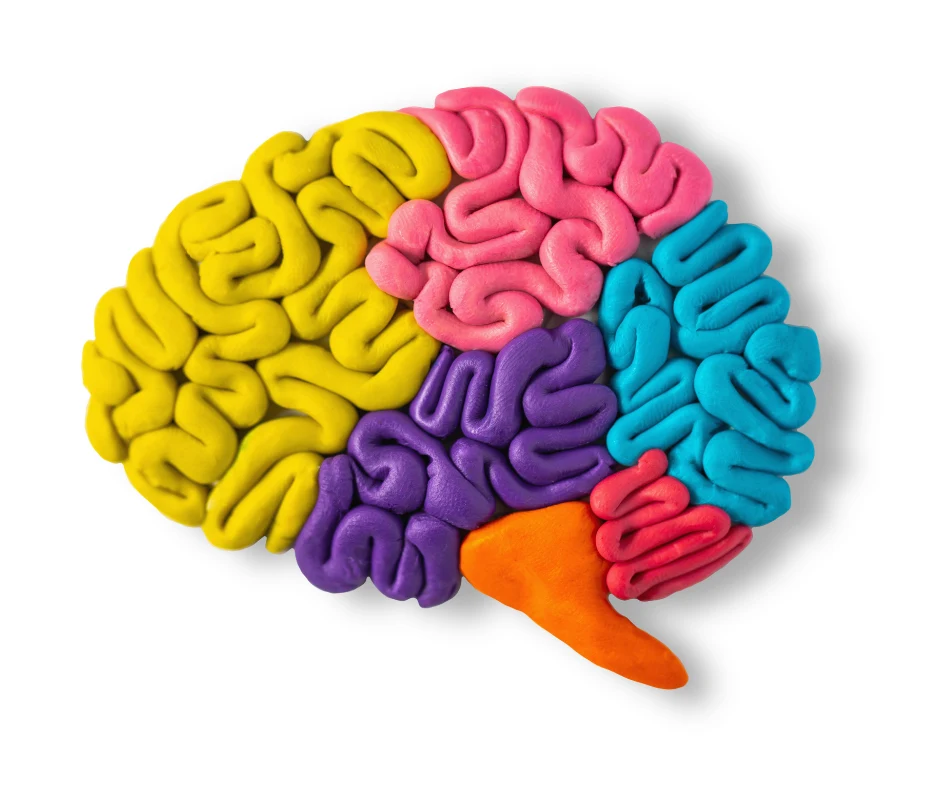
Dogs are not people, and the development of the canine brain during adolescence has not yet been fully researched. Nevertheless, studies of adult dogs and people show broadly similar underlying brain structures. Dogs’ brains are smaller and less folded, with a thinner cerebral cortex and smaller frontal lobe.
The frontal lobe plays an important role in planning and decision-making. Dogs have more limited abilities in these areas than humans, and even adult dogs have relatively little brain capacity devoted to self-control. Dogs live in the here and now rather than endlessly considering what might happen. Their choices are often spontaneous and driven by immediate needs. They are not plotting ways to ruin your day when you come home from work or school.
Despite the Differences, Human and Canine Brains Have Much in Common
Similar brain regions perform similar functions, so we can draw some parallels with human brain development. Comparing the brains of human teenagers and adults helps illustrate the changes that take place; similar developmental processes probably help explain the behaviour of adolescent dogs.
Teenage Dogs Often Resemble Human Teenagers
They may be extremely sensitive, overly dramatic, loud and not always especially rational. Sometimes we simply cannot understand what is going on with them!
At the same time, they have a strong drive towards independence while still needing our affection and love. Even if they do not always show it, they remain affectionate, gentle souls inside.
Growing Independence Has a Biological Purpose
Young animals begin to leave the “nest”. Our dogs usually stay in our homes, but this new drive towards independence can create misunderstandings and conflict.
Adolescent dogs cannot yet process all the information around them as effectively as adults. They may therefore end up in uncomfortable or risky situations and confrontations. Understanding this helps us guide them rather than treating every difficult moment as disobedience.
Self-Control Is Particularly Weak at This Stage
The frontal cortex, risk assessment and impulse control are not yet fully developed. Adolescent dogs often react instantly and instinctively, noticing only the object of their attention. Think of a dog running across a road after a cat and apparently not hearing you call, or racing to the fence to bark at a postman or another dog. In some breeds these instincts are particularly strong.
Emotional reactions to the environment can also be intense and may appear as reactivity. A teenage dog might suddenly fear a person wearing a hat, wind or moving leaves at dusk, or a lawnmower that has been moved to a different place.
More Energy and Impulsiveness
High energy combined with limited self-control can lead to stealing food from the counter, chewing inappropriate objects, damaging things or running away when the dog would rather play in the garden.
Teenage dogs do not yet understand the world very well. They may bark or lunge at things that seem ordinary to us because the brain regions responsible for judging danger and risk are still developing.
At this age their brains rely more heavily on the limbic system than on the prefrontal cortex. The result can be an explosive emotional reaction rather than a calm assessment of the situation.
There Can Also Be Differences Between the Sexes
Just as teenage boys are, on average, more likely to take certain risks, adolescent male dogs may be bolder, make themselves look bigger, raise their hackles and become more vocal. They may also show less self-control than females—although, of course, there are always exceptions.
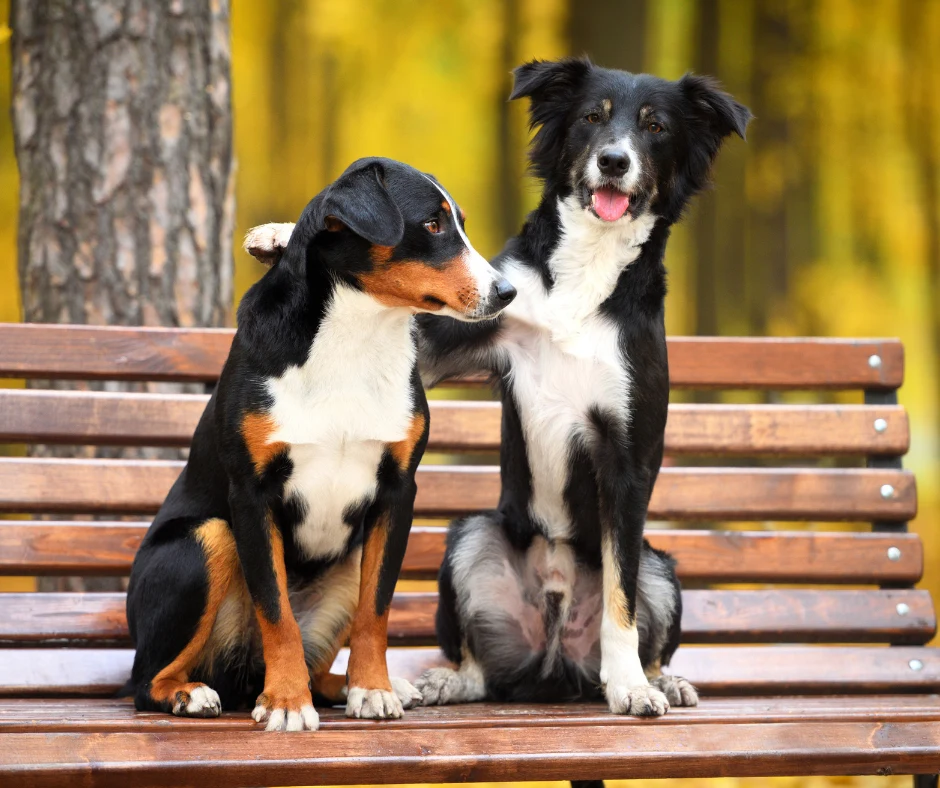
Dog Friendships Change
Social relationships also change. As dogs grow up, they become increasingly selective about which other dogs they enjoy spending time with.
Think about people: small children may play happily with almost anyone. At school, friendship groups begin to form; by adolescence, many people have a smaller circle of close friends. Adults still make new friends, but generally become more selective. We do not need to be close friends with everybody.
It is similar for dogs. Puppies often want to play with nearly every puppy they meet. Adolescent dogs still enjoy meeting others but begin to show preferences. Adult dogs frequently prefer familiar friends to complete strangers. Some remain enthusiastic about meeting every dog throughout life, but these are exceptions rather than the rule.
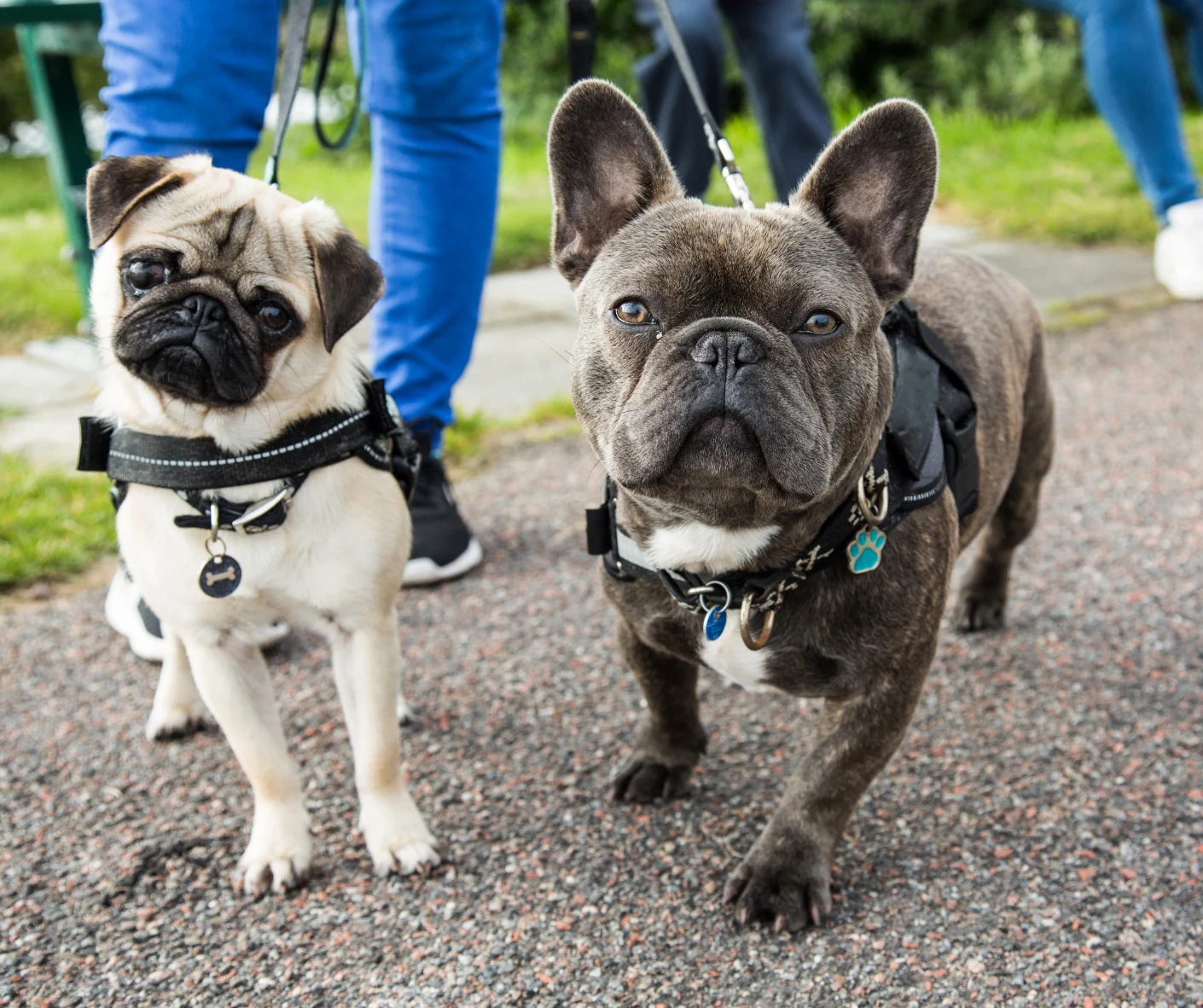
Many adult dogs simply tolerate most other dogs and are close to only a few. A useful way to picture this development is:
Puppies — friendly and playful with almost everyone.
Adolescents — tolerate most dogs but form friendships with fewer.
Adults — selective friendships.
Selective Hearing and “Forgotten” Training
Puppies focus closely on their owners and usually do not wander far on walks or around the house. They may stick to us like glue. Sometimes they do not even want to walk any farther. Their person is the centre of their world, and this is normal.
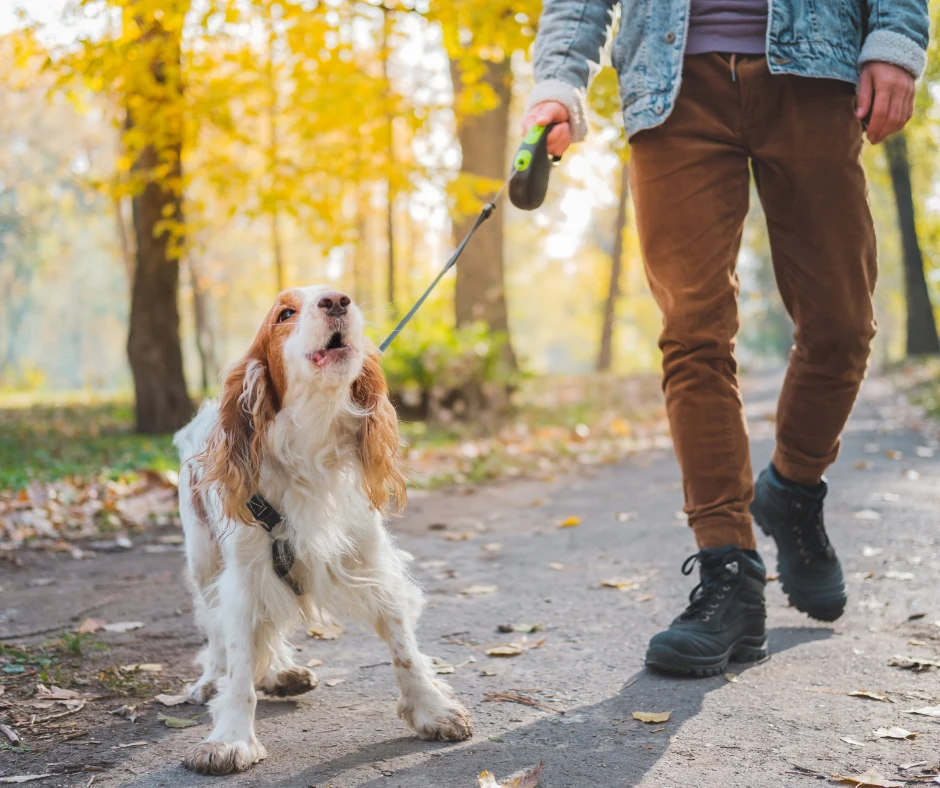
In adolescence, however, they discover a vast, fascinating world. They become brave explorers. Every patch of grass another dog has marked, every discarded object, every movement, sound and scent deserves investigation. They pull on the lead because they want to explore everything at once—as if they fear missing something.
It can seem as though they no longer hear us. Usually this does not mean they are deaf or deliberately ignoring us. Their attention is so consumed by smells and other information that they genuinely struggle to register what we say.
Imagine being completely absorbed in a gripping film or book when your partner asks you to load the dishwasher. Your attention is elsewhere. For teenage dogs, concentration has not vanished; it has shifted to something that is, at that moment, more interesting than us. Their brains are busy processing new information.
They have not forgotten their training or the signals and cues they learnt. Yet when we say “sit” or “come”, they may stare as if hearing those words for the first time. In reality, their brain is occupied elsewhere, and our reward or motivation may not be enough to regain their attention.
Remember that teenage dogs are not doing this to annoy us. They are neither stupid nor necessarily stubborn: their brains are still developing, and the different parts are not yet working together smoothly.
When you take an adolescent dog somewhere new—a pet shop, park or training class—the flood of sights, sounds and smells can be overwhelming. They may need time, sometimes at least ten minutes, to absorb everything, relax and become ready to focus on you.
The Dogstar Teenager programme explores simple activities to calm an overloaded brain and build focus, from sniffing adventures to on–off games and enrichment activities you can prepare at home.
Fear Periods
The first fear period often occurs at around eight weeks of age or a little later. A second fear period can occur during adolescence, but its timing is hard to predict. It may come and go several times, lasting days or weeks before disappearing and perhaps returning later. These adolescent fear periods are normal and temporary.
Just when we think the worst is over, a new frightening “monster” may appear. A dog may suddenly fear a person or object they have seen many times. Someone reaching out a hand may unexpectedly trigger barking or growling.
A bale of hay in a familiar field may suddenly provoke barking and cautious jumping, with the dog’s back legs stretched far behind, ready to spring away if the bale “answers back”. A rubbish bin moved a few metres may also become alarming.
Dogs may become particularly wary of unfamiliar objects lying motionless on the ground—a backpack, plastic bag, tyre or rubbish—as well as people who look unusual to them, such as someone wearing a hat or dark glasses, a person with a beard, or someone dressed or moving differently.
This can happen even to well-socialised puppies, though it may be more intense in dogs who had too little early socialisation. A dog with many positive experiences may still startle, but often recovers more quickly because they have learnt that the world is generally safe.
The developing brain helps explain these apparently irrational, exaggerated or impulsive reactions. The frontal areas involved in regulating emotion mature later. The same developmental process contributes to seemingly forgotten cues, selective hearing and sudden fears.
Understanding the physiological reasons does not remove every challenge, but it can help us respond with greater patience and empathy. Our teenage dogs are not behaving this way on purpose; their developing brains can make this a difficult time for them too.

A Course for Teenage Dogs
The online Dogstar Teenager course helps you understand your adolescent dog and offers ideas and solutions for common challenges during this stage.