
Help! My Puppy Keeps Biting!
Do you know one of the most common questions and challenges for new puppy owners?
BITING! Biting hands and objects, nipping and tugging at trouser legs and sleeves. Ouch!
Here's the good news: this is completely normal and expected during this early stage of growing up and developing. Puppies love biting and chewing anything they can get their teeth into. But their teeth are extremely sharp, like little needles, and it hurts us.
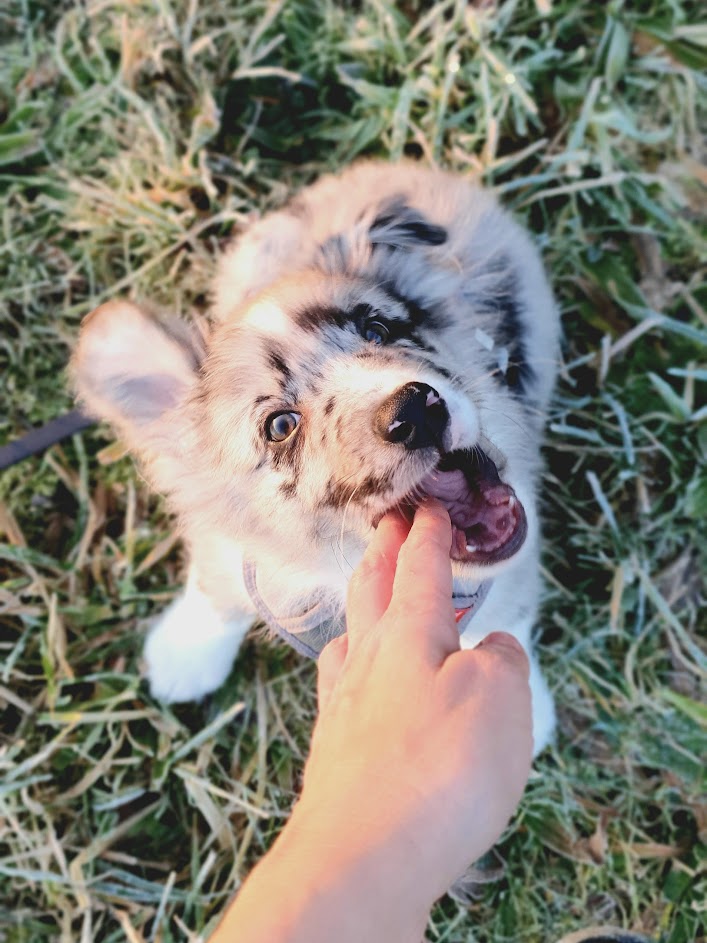
I'm sure you don't want this biting stage to turn into an annoying habit that continues later in life. We can guide our puppies through this developmental stage with consistent teaching and redirection. I believe you can do it!
When your puppy bites you or other people, it is annoying and painful. They may also pick up anything they find, which can be dangerous for them. So alongside training and education, prevention matters: keep things your puppy could destroy, or things that could harm them, out of reach.
Below I've collected advice and ideas on reducing and preventing biting, keeping it from becoming a habit, and teaching your puppy a softer bite and better self-control.
How Long Does the Puppy Biting Stage Last?
Puppies usually start replacing their baby teeth with adult teeth at about three to four months, and finish at approximately six or seven months.
So biting tends to be most intense for roughly three months, when new teeth are coming through and the puppy's gums are sore and uncomfortable.
If you consistently prevent inappropriate biting and redirect it into other activities, your puppy will gradually grow out of it. Breed and breed mix play a part, too.
Some breeds were selectively bred for work involving gripping, holding or nipping. With these dogs, you may need to spend more time on redirection, self-control and training, while providing mental stimulation and suitable outlets for their natural instincts. Herding breeds, for example, may benefit from activities such as a flirt pole, Frisbee, treibball or even herding sheep if that is an option.
Why Does Your Puppy Bite?
Understanding why your puppy bites helps you respond appropriately. Several reasons can apply at once. The most common include:
- They want to PLAY. Redirect play onto an appropriate toy.
- They are OVEREXCITED. There may be too much going on around them. Try redirection or give them a chance to rest in their own space with an interactive toy, a stuffed Kong or a chew.
- They want to CHASE something moving. Many dogs have a strong prey drive. A flirt pole can give them a suitable outlet for chasing.
- They are BORED. Puppies explore the world with their mouths. Offer enrichment activities, thinking games, interesting toys and suitable chews.
- They are TIRED. Who isn't a little grumpy when sleepy? Your puppy may need a rest in their crate or another quiet, safe place.
- They want your ATTENTION. A little nip often gets an immediate reaction. Puppies quickly learn that nipping brings attention, whether pleasant or unpleasant. Teach an alternative, such as sitting, to ask for your attention and practise self-control.
- They are EXPLORING. They are discovering what things taste and feel like to chew, perhaps the corner of a chair or wall.
- They might be HUNGRY. Some puppies bite more as mealtime approaches.
- Their GUMS HURT. Teething causes discomfort. Try an appropriate chew or a frozen, stuffed Kong.
How to Stop Biting and Nipping
Redirect, redirect and redirect again!
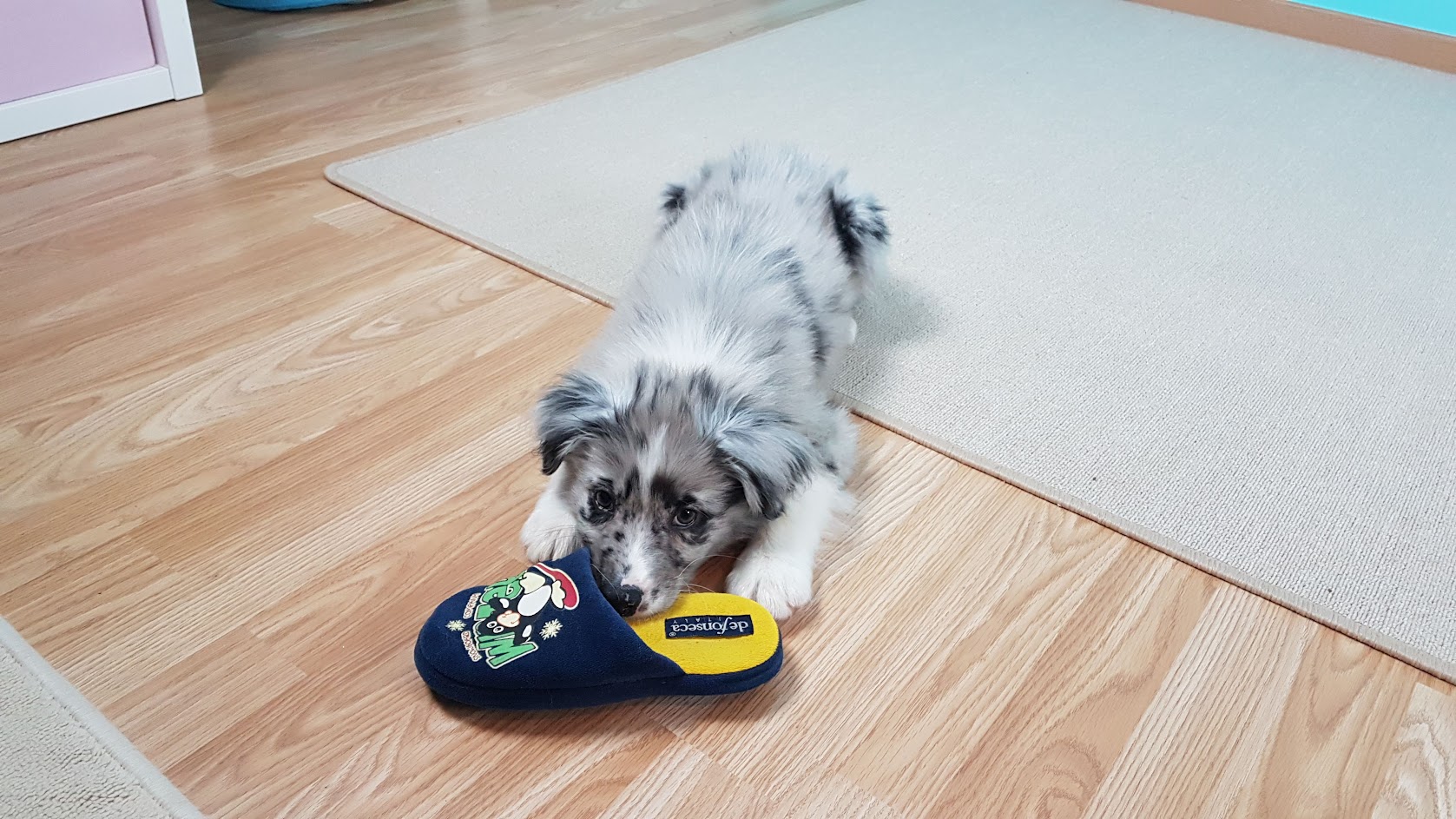
Redirection means shifting your puppy's attention from one thing to another. It is particularly useful when you want to stroke your puppy but they keep biting your hands, or when you walk into a room and your puppy starts chasing your slippers, ankles or trouser legs—especially loose clothing such as pyjamas or tracksuit bottoms.
Use a Toy or Chew as a Shield
Because puppies bite so much, it helps to have a good supply of appropriate “shields” 🛡️ to redirect them away from your hands and clothes.
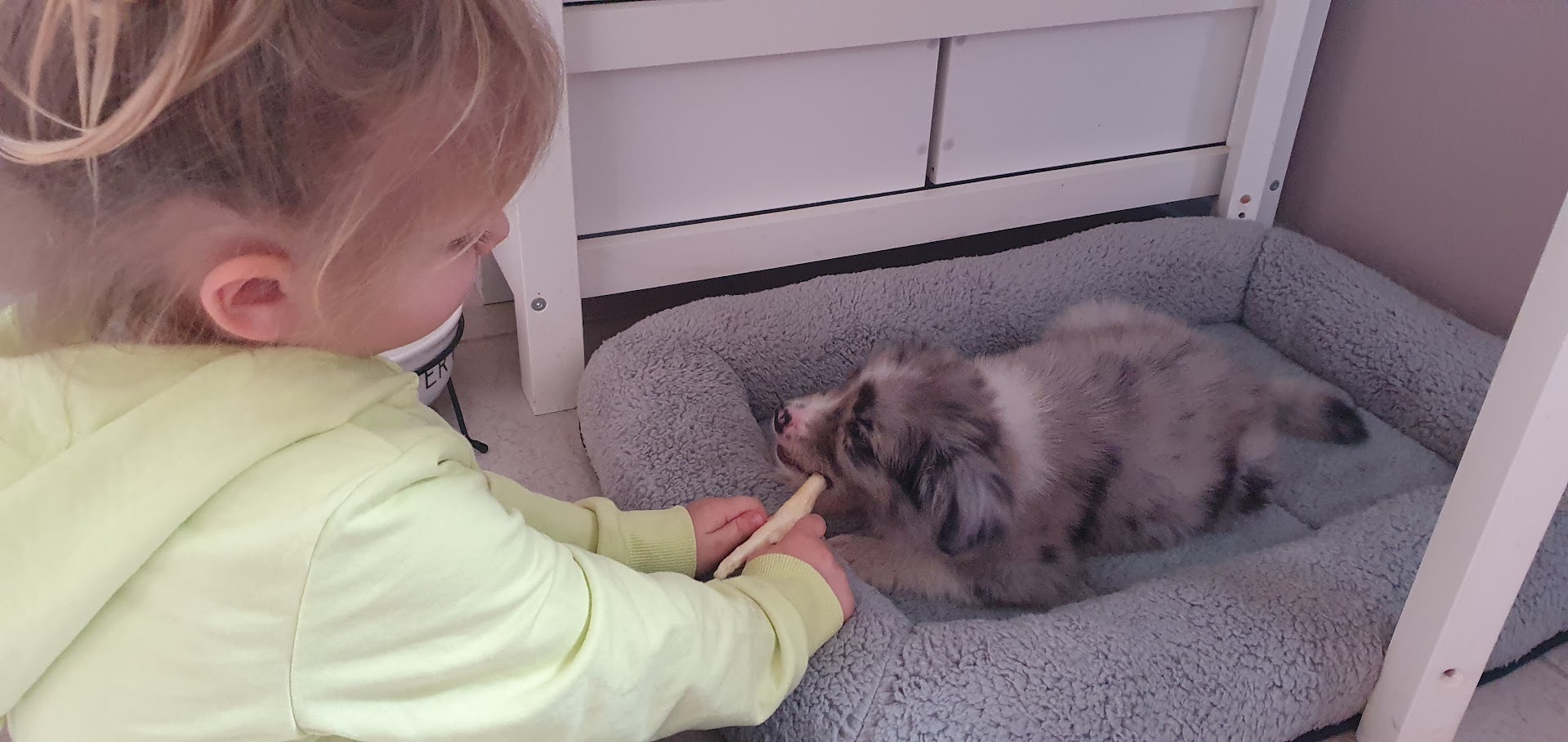
You could use a soft toy, a tug toy (a great homemade idea is to tie old socks together into a long rope), or, for a food-motivated puppy, a suitable edible chew such as a dried ear. Find what interests your puppy most.
The same toy or chew may not be exciting all day, so keep several options close by and rotate them. Put toys in different rooms so you can offer one before your puppy starts attacking your hands, legs or clothing.
If your puppy likes to nibble you while you're resting or watching television, a small flirt pole can help you play at a distance. Make sure the puppy has good footing and avoid sharp, sudden turns.
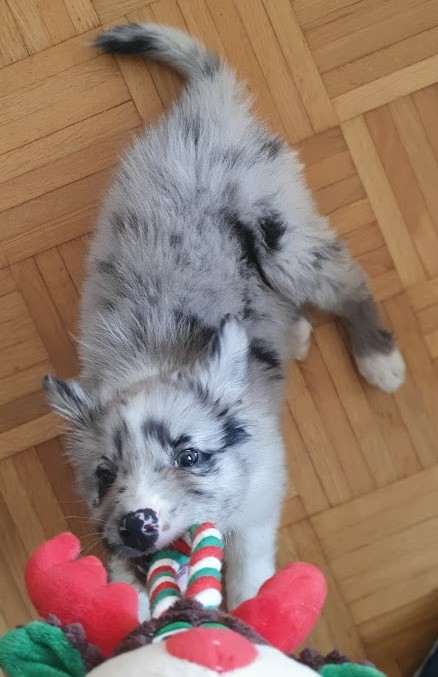
Make toys interesting by moving them along the floor and playing tug. Tug can be a reward for behaviour you want and a good opportunity to teach your puppy to release something on cue.
Sometimes the first toy you offer won't work. Try another. If your puppy is overtired, give them a rest; if they need an appropriate activity, take them on a sniffing walk and include some play outdoors.
For some puppies, offering a toy or chew simply isn't enough. In that case, take a small handful of kibble and redirect them into practising exercises or tricks.
Redirect into Training Exercises and Tricks
You probably have some idea when your puppy is most likely to start biting. That is a valuable training opportunity. The important thing is to begin before the biting starts.
Keep small containers of kibble or training treats in several rooms, so you can reward desirable behaviour straight away.
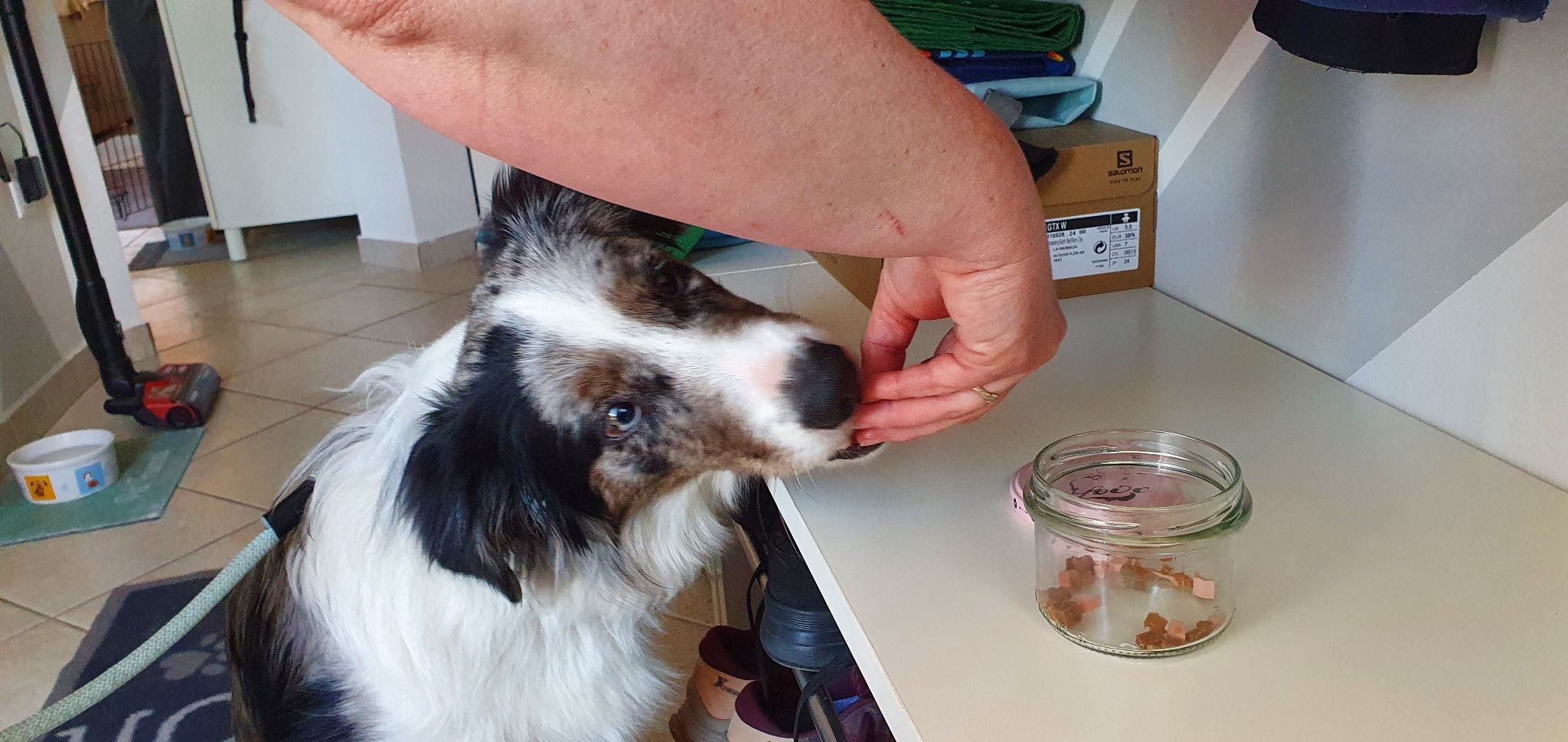
If your puppy is already tugging at your trouser leg, hold a treat near their nose. As soon as they let go, say “yes” and toss the treat away for them to find. This gives you a moment to pick up a toy, chew or another treat and redirect them.
Is your puppy running towards you? Quickly use a treat to guide them into a sit, or give the sit cue if they know it. Alternatively, toss a treat towards them while they're still a few steps away, before they start biting or jumping. A puppy busy sniffing out a treat cannot bite you at the same time, and is learning what to do in that situation.
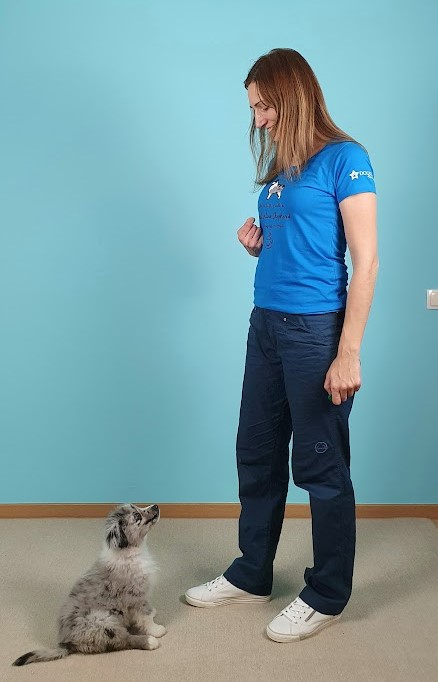
Here's an example of teaching an enthusiastic puppy who liked jumping up at and biting visitors:
- A visitor entered through the front door and immediately tossed a treat behind the puppy.
- When the puppy turned back to greet the visitor, the visitor tossed another treat behind the puppy.
- After several repetitions, the visitor held a treat and cued the puppy to sit, then rewarded them with food and petting. By then the initial excitement had faded, making it much easier to sit calmly instead of jumping and biting.
Puppies Around Children and Older People
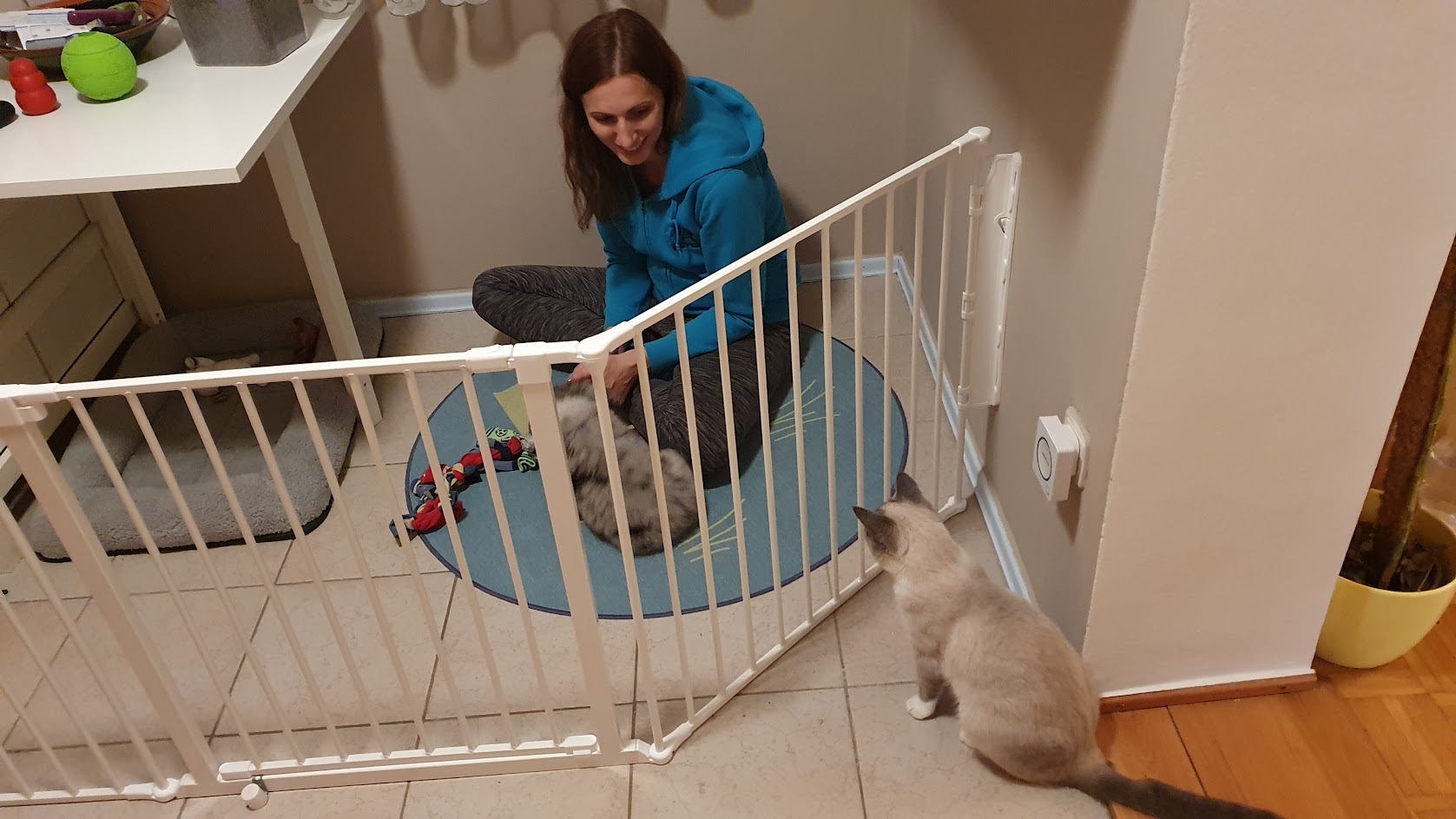
Puppy bites can be particularly painful for children and older people. The best approach is to prevent biting from happening in the first place. Use a puppy pen, baby gate or leash so the puppy cannot nip at them.
If your puppy is behind a gate or in their crate, offer a stuffed Kong or suitable chew. This can also help them form positive associations with children and other people being nearby. If the puppy is with you on a leash, reward calm behaviour without biting.
Interrupt the Biting
If your puppy is already biting, you can use a word or sound to interrupt them—perhaps “ouch” or a brief squeak. The idea is to get their attention and make them pause for a moment, not to punish or frighten them. This is similar to the way puppies or dogs may react during play if a bite is too hard.
If your puppy already knows their name and has practised looking at you when you say it, you can use that instead. Say their name and reward them with food or play when they stop biting and look at you.
Tip: After interrupting a bite, avoid jerking your hands or clothes away suddenly. Quick movements can encourage your puppy to chase and bite again. Keep your movements calm and follow up with a suitable alternative activity.
Stop the Game or Interaction
If the puppy keeps biting despite your attempts to redirect, briefly end the interaction. Stop moving, stand up calmly if necessary and withdraw your attention. The message is that biting does not keep the fun going.
It is important to do this calmly rather than shouting or pushing the puppy away, because that may make the situation even more exciting. Give your puppy a chance to settle, then try again with a toy or another appropriate activity.
A Quiet Space for Your Puppy
Sometimes a puppy simply needs a break. You can guide them to their safe area, behind a baby gate or into a crate, and give them a suitable chew or interactive toy.
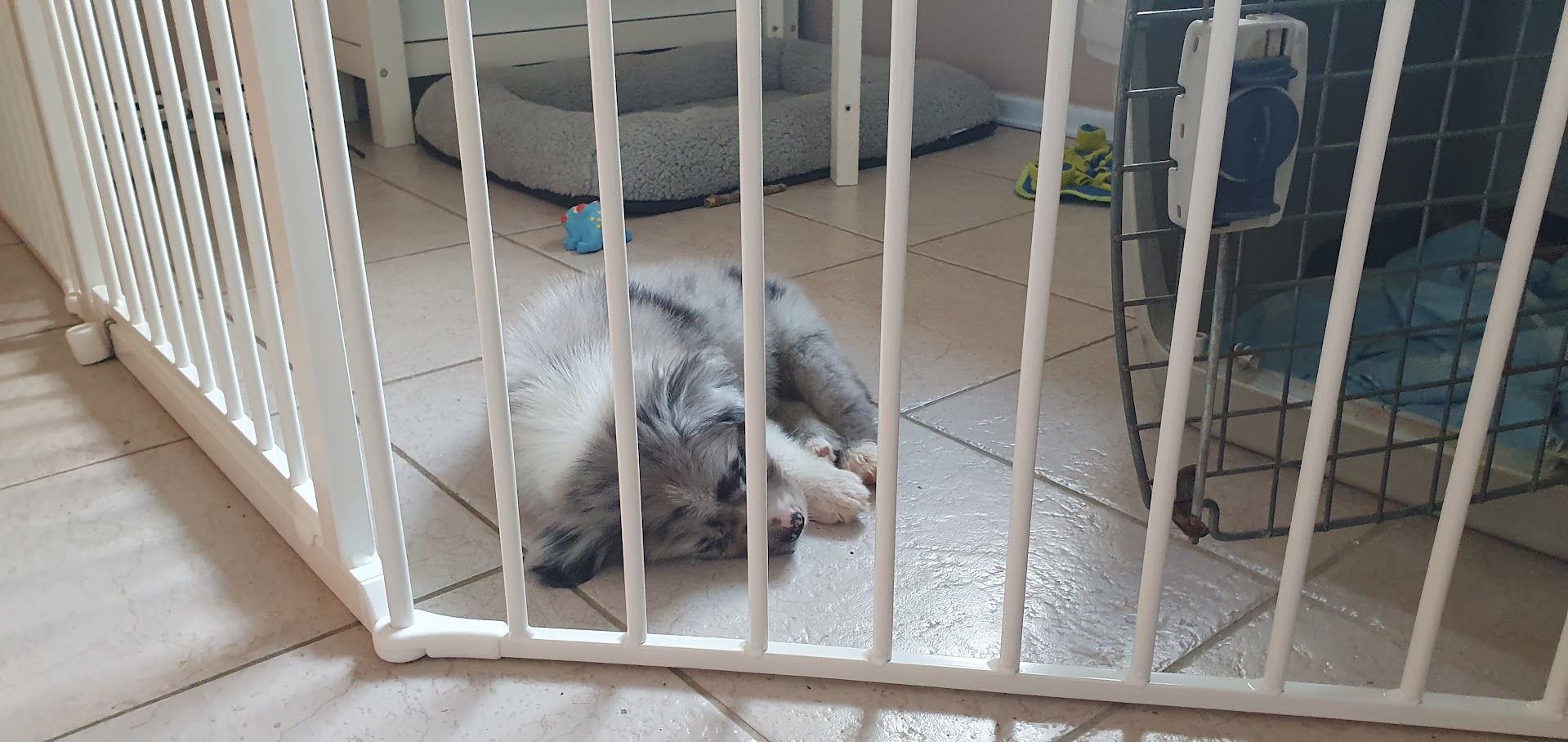
This is a particular kind of time-out, but the aim is not to make the crate or pen feel like a punishment. Offer something pleasant to do there. If your puppy is overtired, they may fall asleep; puppies need plenty of rest. If they aren't tired, don't keep them there unnecessarily long. Sometimes a few minutes is enough to help them settle.
Just like small children, puppies can become cranky when they are tired or hungry.
Provide Suitable Chews and Chew Toys
Make sure your puppy has plenty of chances to bite and chew appropriate things. New teeth coming through can be uncomfortable, and chewing can help relieve sore gums. A stuffed, frozen Kong is a great option: you might fill it with wet food or soaked kibble.
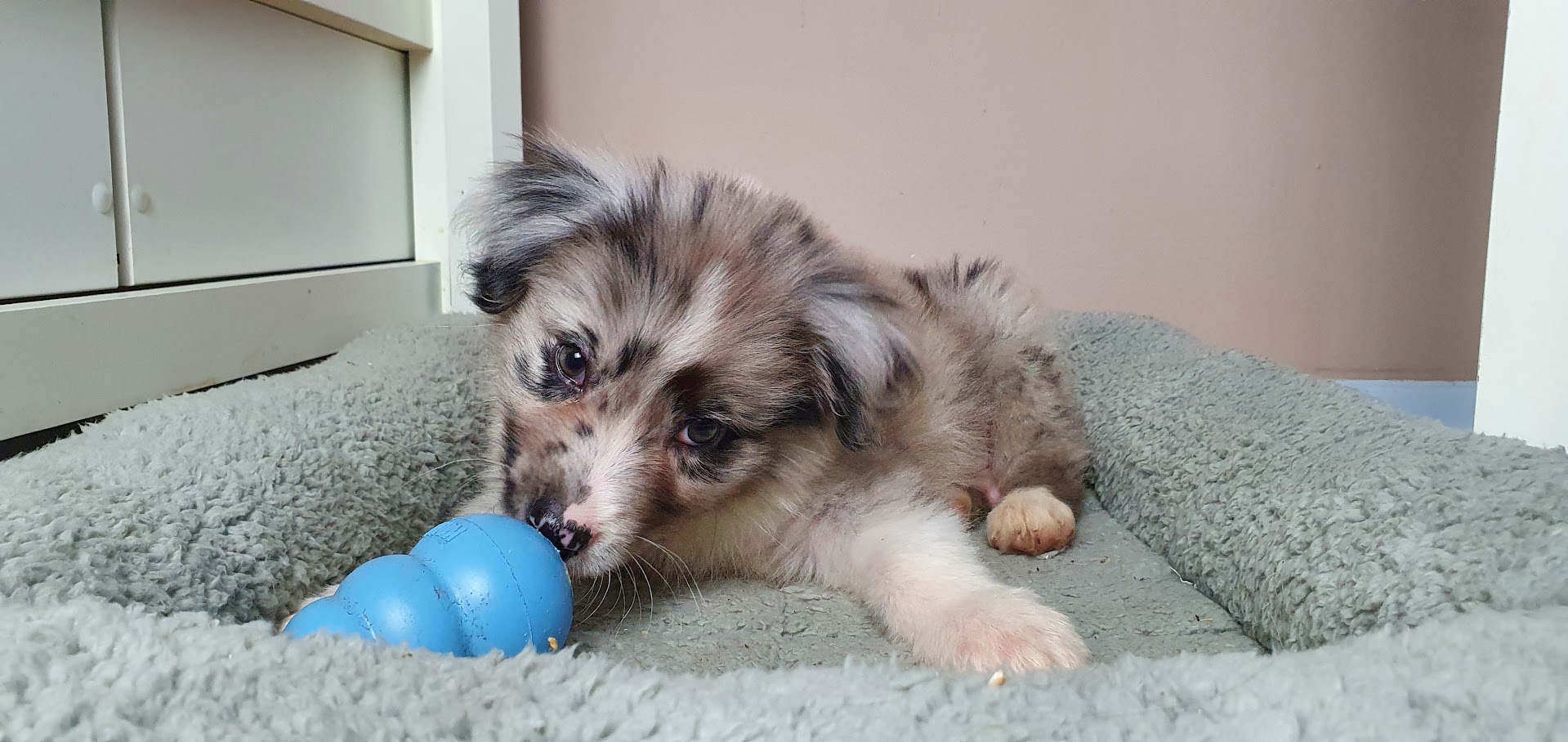
Avoid toys that could be dangerous, including items the puppy can tear into pieces and swallow. Bones or chews that are too hard can damage teeth. Supervise your puppy with new toys, especially at first, and do not leave them alone with anything potentially unsafe.
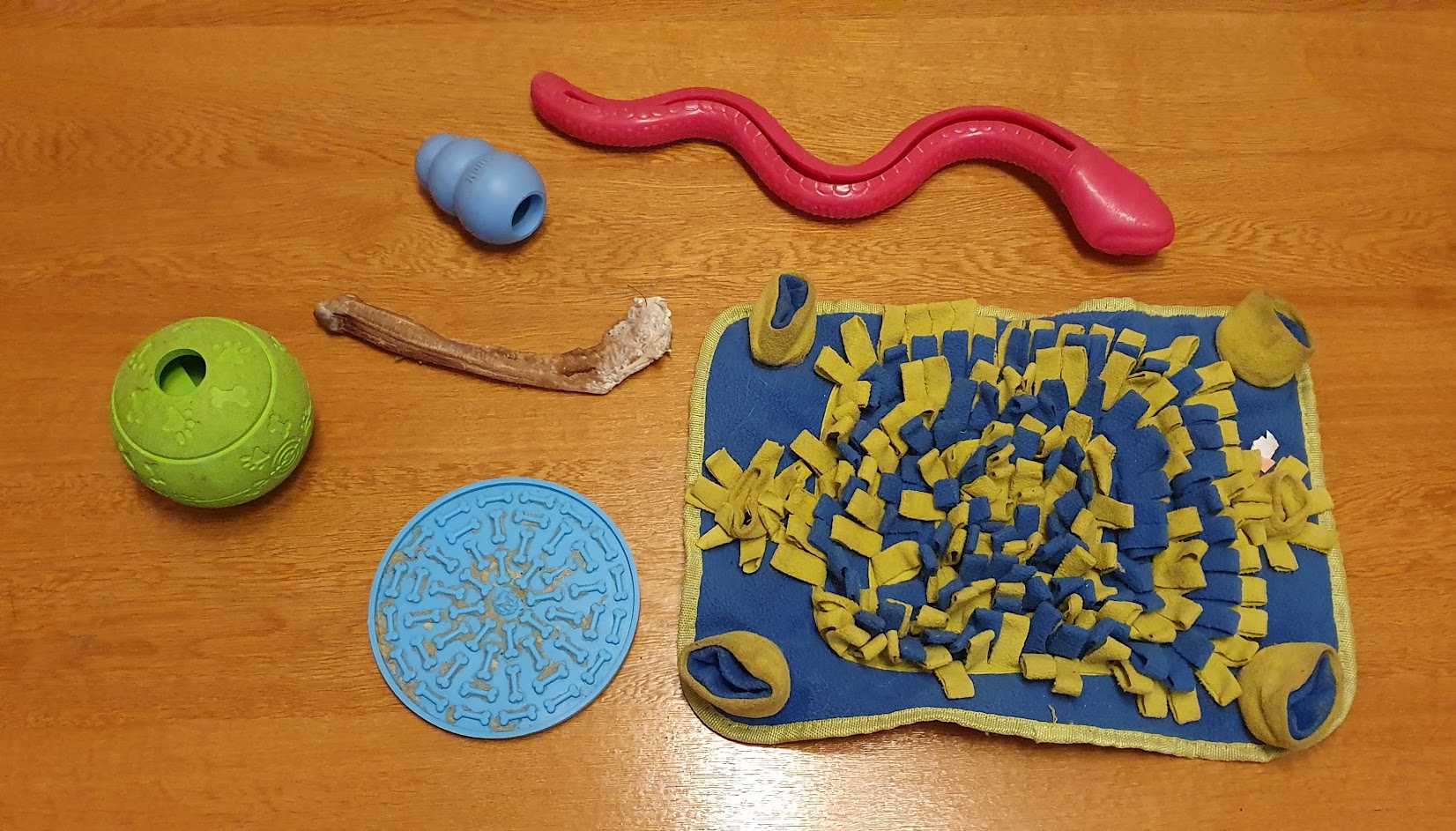
Provide Enough Mental Enrichment
Unused energy can contribute to biting and other unwanted behaviours. However, it is important not to overdo physical exercise while your puppy is growing. Moderate physical activity combined with mental enrichment throughout the day is a good approach.
Enrichment makes everyday life more interesting and lets puppies express natural canine behaviours and instincts. Think of sniffing games, food puzzles and appropriate training activities.
Teach “Leave It” and “Drop It”
Both cues will be very useful. Tug is a good way to practise “drop it”.
People often mix up these two cues, which can confuse the puppy:
- Drop it means release something that is already in the mouth.
- Leave it means do not pick something up in the first place.
So use “leave it” before your puppy takes an object, and “drop it” when they already have it.
What NOT to Do When Your Puppy Bites
Do Not Shout at or Hit Your Puppy
Most puppy biting happens during play or because puppies have not yet learned bite control and self-control. Punishment can create additional unwanted consequences. You certainly don't want your puppy to associate interacting with you with unpleasant experiences.
Never punish biting by shouting, hitting the puppy—even tapping their muzzle—or holding their mouth shut. Instead, teach them what you do want them to do.
Such punishments can damage your relationship, your puppy's trust in you and their sense of safety.
Raising a puppy is demanding. Many new owners feel disappointed, exhausted, frightened or sad at first. Biting is frustrating because it hurts and sometimes seems endless. I know it can be hard to stay calm, but remember that you are building your relationship and your puppy still has a great deal to learn. Your job is to teach them.
I recommend choosing a kind, reward-based puppy school from the beginning, especially if you feel overwhelmed or unsure what to do. You can also explore my DOGSTAR PUPPY programme, where I teach the skills needed in the first weeks and months with a puppy. I'm here to help!
Do Not Encourage Biting and Nipping
Easier said than done, isn't it? Still, try not to encourage biting through your movements, especially with your hands, or through an excited tone of voice.
Move calmly. Quick, sudden movements can trigger even more exciting play, chasing and biting. If your puppy starts biting your hand, interrupt the behaviour and hold still for a moment. If you snatch your hand away, the puppy is likely to want to chase it.
Children running around can be extremely exciting for puppies, who may nip at heels or clothes or knock children over. Prevent this by using a pen or leash when children are present until your puppy has better self-control. This also makes it easier to reward calm behaviour around children.
Loose clothing—long skirts, wide trouser legs or dangling sleeves—can be especially tempting. You may want to avoid these clothes while your puppy is going through the biting stage.
Do Not Bite Your Puppy Back
As ridiculous as it sounds, people really do this. I've seen the advice on online forums. Please avoid it! First, you are not a dog, and your puppy knows that. Biting them back does not have the same meaning as dogs mouthing one another during play. Second, it can have unwanted consequences, including aggressive reactions.
You don't want your puppy to see you as a threat or someone to fear. Your relationship should be built on trust. And a puppy with sharp teeth could bite you in the face in response. There are much better ways to manage puppy biting.
Is Puppy Biting a Sign of Aggression?
You may be worried about the biting, especially if it comes with growling and barking. In most cases, nipping, growling, lunging and barking are part of normal puppy play. Truly aggressive behaviour in puppies is uncommon.
However, if you're concerned that your puppy's behaviour is genuinely aggressive, seek individual advice from a qualified puppy trainer or behaviour consultant. You can find someone locally or contact me. At Dogstar Family in Celje, I have an indoor space for puppy training and consultations. I can observe how your puppy responds in different situations and, if needed, make a plan for your work together.
If the behaviour turns out to be normal, that's great: you'll get useful advice on training and preventing problems. If there are genuine warning signs, recognising them early allows you to address them before they become a bigger problem later in life.
When Lunging and Biting May Mean Resource Guarding
If your puppy lunges, bites or growls when you reach for a toy, their food or something else important to them—a sofa, a backpack and so on—they may be guarding a resource.
In that situation, please consult someone qualified as soon as possible. You can contact me for a plan or a referral. Meanwhile:
- Don't interfere with your puppy's food while they eat. Never put your hand into their bowl, and especially don't let children do so. Don't suddenly approach and take a chew out of their mouth or remove their food bowl without a reason. Let them eat in peace. Gradual preventive training around resource guarding is important; I also cover this in Dogstar Puppy.
- Teach children to leave the dog alone while eating. They should not approach, stare at or talk to the dog during meals. Ideally, the puppy should eat in a quiet, separate space where nobody can disturb them.
- Watch for calming and warning signals. If your puppy freezes as you approach or starts growling, do not move closer. Think about how to create a positive association with your approach, and seek professional help if warning signs appear.
- Build positive associations when you approach food. For example, whenever you walk past, you might toss a delicious piece of chicken near the bowl. Your puppy can learn that your approach while they eat predicts something good rather than a threat to their food.
Aggressive Biting
Watch your puppy's body language for signs that biting is more than play. Aggression often comes from fear. A frightened puppy may react defensively: ears pinned back, tail tucked, wide eyes with the whites showing, or teeth displayed.
Aggressive behaviour may also be related to pain or another medical issue that is not immediately obvious. If aggression is suspected, a veterinary examination should come first to rule out health-related causes.
Learn to Read Canine Body Language
Understanding non-verbal dog communication helps you tell the difference between play and something more serious. Pay attention to ear position, tension in the body and face, muzzle, eye shape, tail position and movement. Together these give clues about how your puppy feels in a situation.
Don't Give Up — This Stage Will Pass
Biting is unpleasant and exhausting, but remember that every puppy owner has faced it to some degree. For some puppies it is simply more pronounced. Fortunately, this stage does not last forever when you consistently redirect, train and provide suitable activities.
Stock up on suitable “shields” and teach your puppy an alternative behaviour: what you want them to do instead of biting you.
I know you can do it! 💪 I'm cheering you both on!
Anita & Star

P.S. Hundreds of puppies are already learning in my Dogstar Puppy programme. Join us and teach your puppy the skills they need to grow into a well-mannered dog.
P.P.S. Not in my Facebook group yet? You're welcome to join Vzgoja družinskega psa z Anito – nasveti, vaje & igre (Raising a Family Dog with Anita — tips, exercises and games). Answer the entry questions and I'll see you there!