
Why Won’t Some People Listen? Fixed vs. Growth Mindset
We humans are wired to seek a sense of safety and stability. Change throws us off balance. Some people quickly find their feet again and use change as a springboard for something new and for learning from experience; others become overwhelmed by their own sense of helplessness. But more on that another time.
What separates those who are open to experiences, learning and exploration? Those who generally accept constructive feedback well from those who quickly take feedback and criticism very personally, as an attack?
We all have our bad moments and react less than ideally, especially when we are tired, stressed, burned out or afraid. Nevertheless, each of us has developed a certain way of seeing the world and our own abilities.
This is where we talk about a fixed mindset and a growth mindset. I am not going to translate these terms, because I feel comfortable with them. Broadly speaking, they describe a fixed way of thinking and a mindset oriented towards growth.
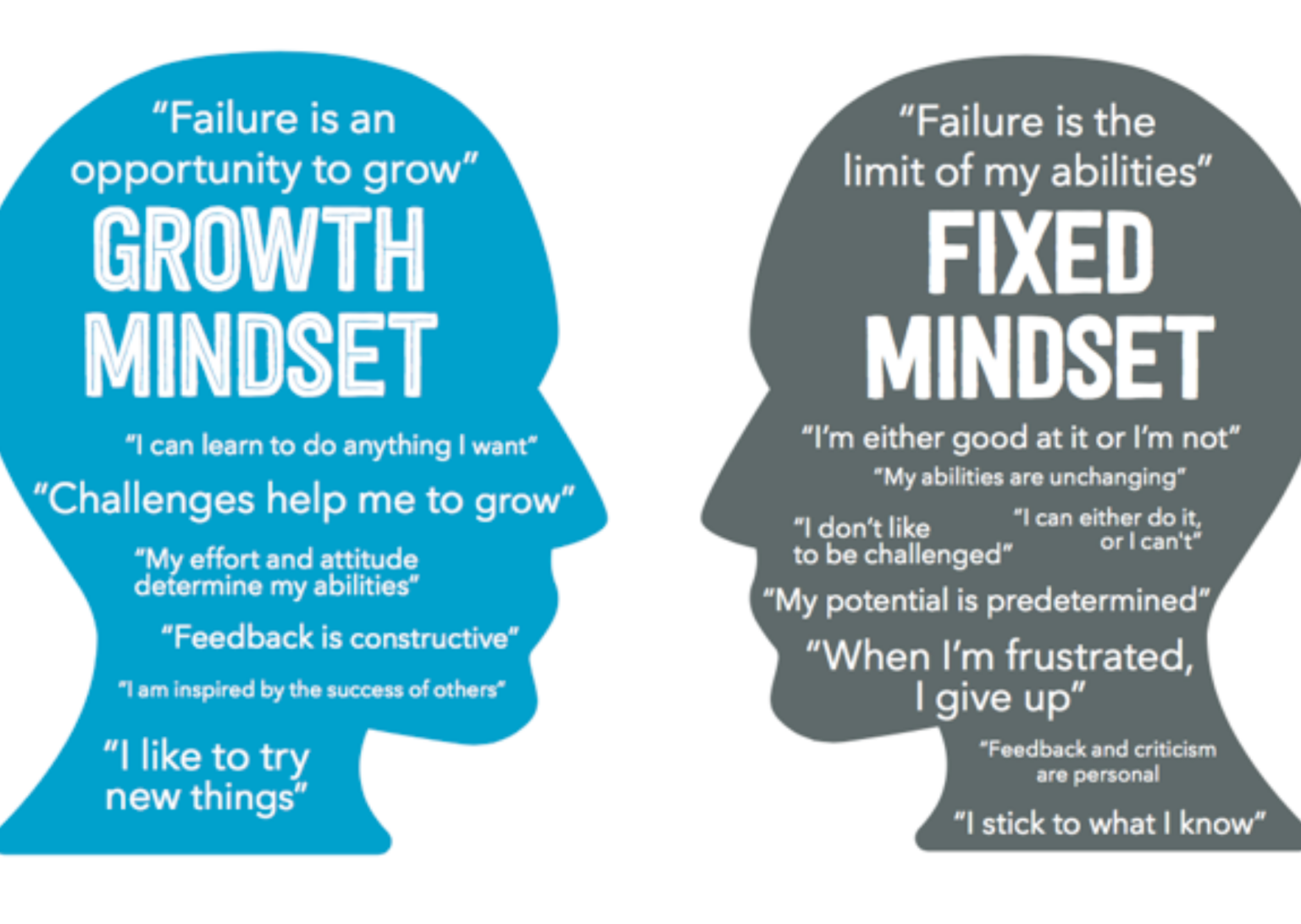
Deep down, people with a fixed mindset believe their abilities are innate and unchangeable. People with a growth mindset, on the other hand, believe that over time they can develop their abilities through work and dedication.
People with a growth mindset are more stable and resilient when faced with change. For example, they take on more difficult challenges because they believe they can manage them. They respond to criticism by looking inward, reflecting on themselves and their actions, and they do not take criticism personally — for example, as proof that they are not good enough or worthy of love. People with a fixed mindset usually give up quickly when they encounter obstacles, because they do not believe sufficiently in their own abilities.
People with a fixed mindset have a strong need to be accepted and validated by others. In every situation they ask themselves: What if I fail? What if I look stupid? What if I am rejected?
Those with a growth mindset, by contrast, show a strong desire to learn and a willingness to work hard and succeed.
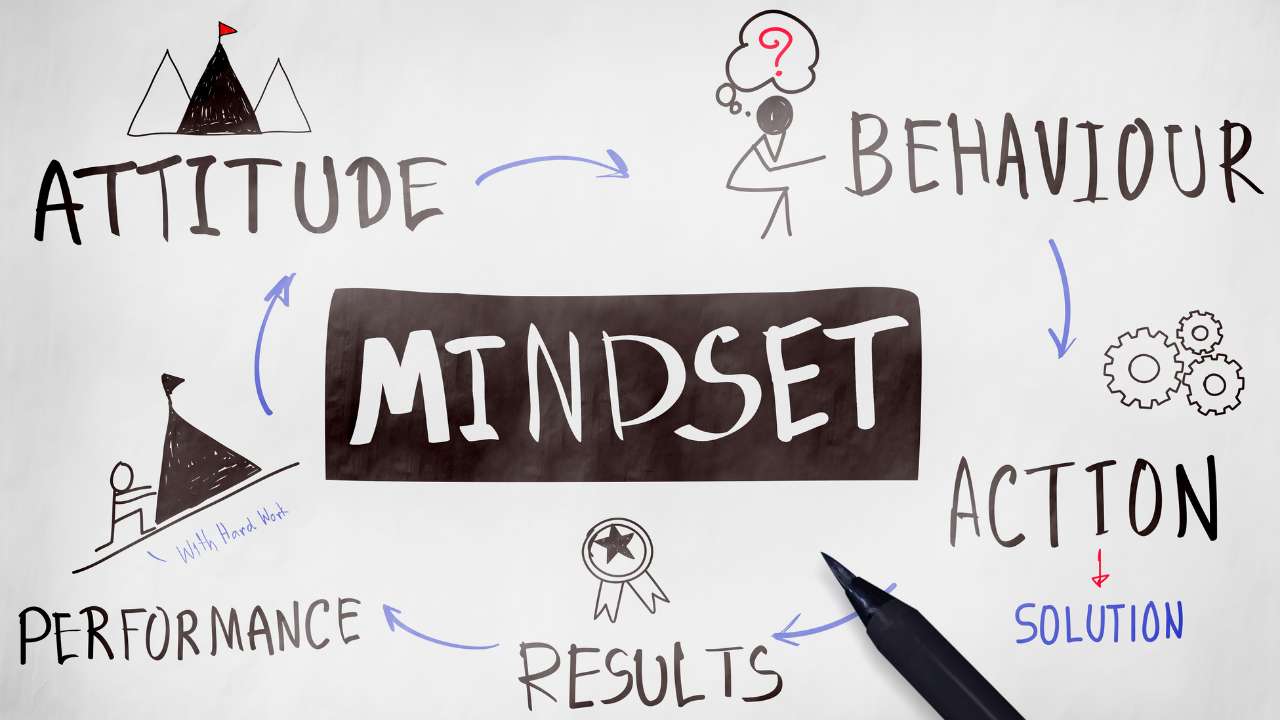
How can we develop a growth mindset?
- Effort – Focus on the process itself and on the effort that we and other people put in, rather than focusing so much on the final result.
- Different strategies – When something does not work out, or when we receive criticism, ask ourselves: What could I do differently next time?
- Learning – Focus on our own learning and on improving our knowledge and skills, rather than comparing ourselves with others.
- Asking for feedback – People with a growth mindset often seek out feedback and value it. They try to learn as much as possible and see feedback as an opportunity to grow and learn. People with a fixed mindset see a comment as criticism of their abilities.
- Persistence – Research shows that people with a growth mindset persevere for longer. They find it easier to overcome obstacles along the way because they see them as opportunities to learn, rather than as something final.
- Choosing difficult tasks – People with a fixed mindset equate making mistakes with having limited abilities, or being incompetent. They are therefore afraid of making mistakes, and even more afraid that others will see those mistakes and judge them to be incapable. But everyone makes mistakes, and we cannot avoid them. Learning never follows a straight line! With a growth mindset, we develop curiosity and the courage to tackle difficult tasks too.
- Setting high standards for ourselves – We are capable of much more than we think we are. Research has shown this, and we see it every day in people who experience sudden losses and life-changing upheavals. Let us not limit our potential because we believe we are not capable enough. If we believe we can do something, we will achieve more — or learn more.